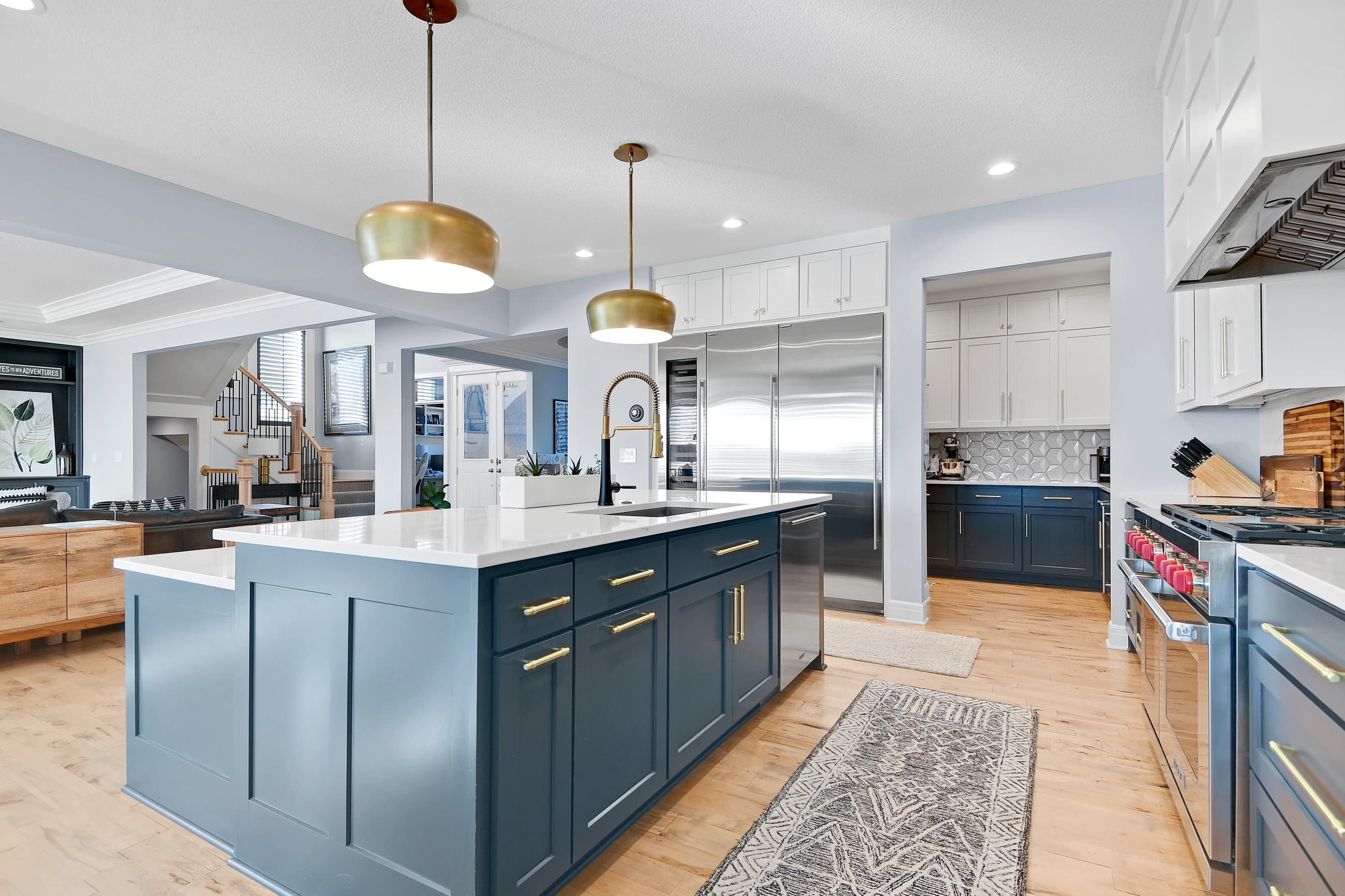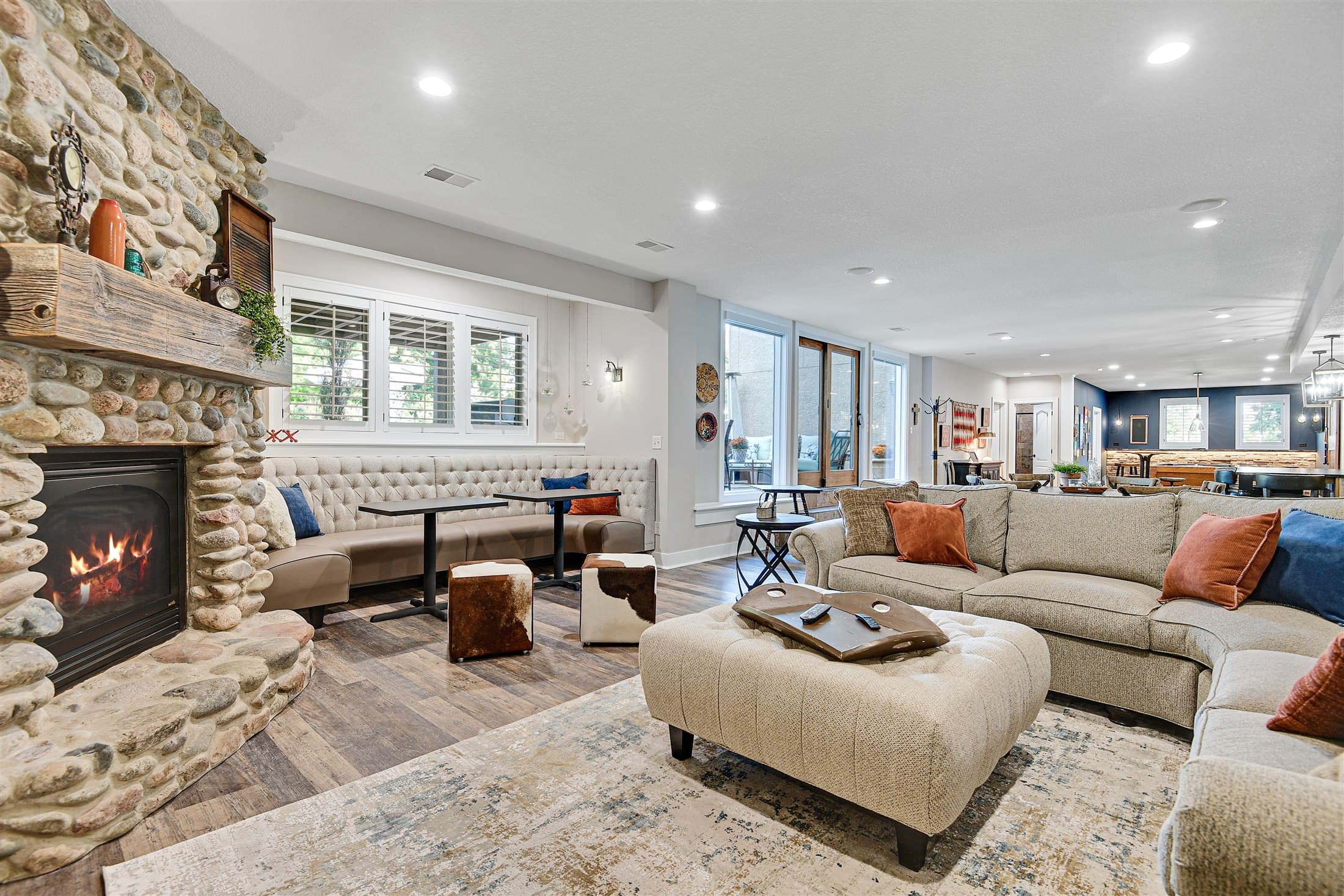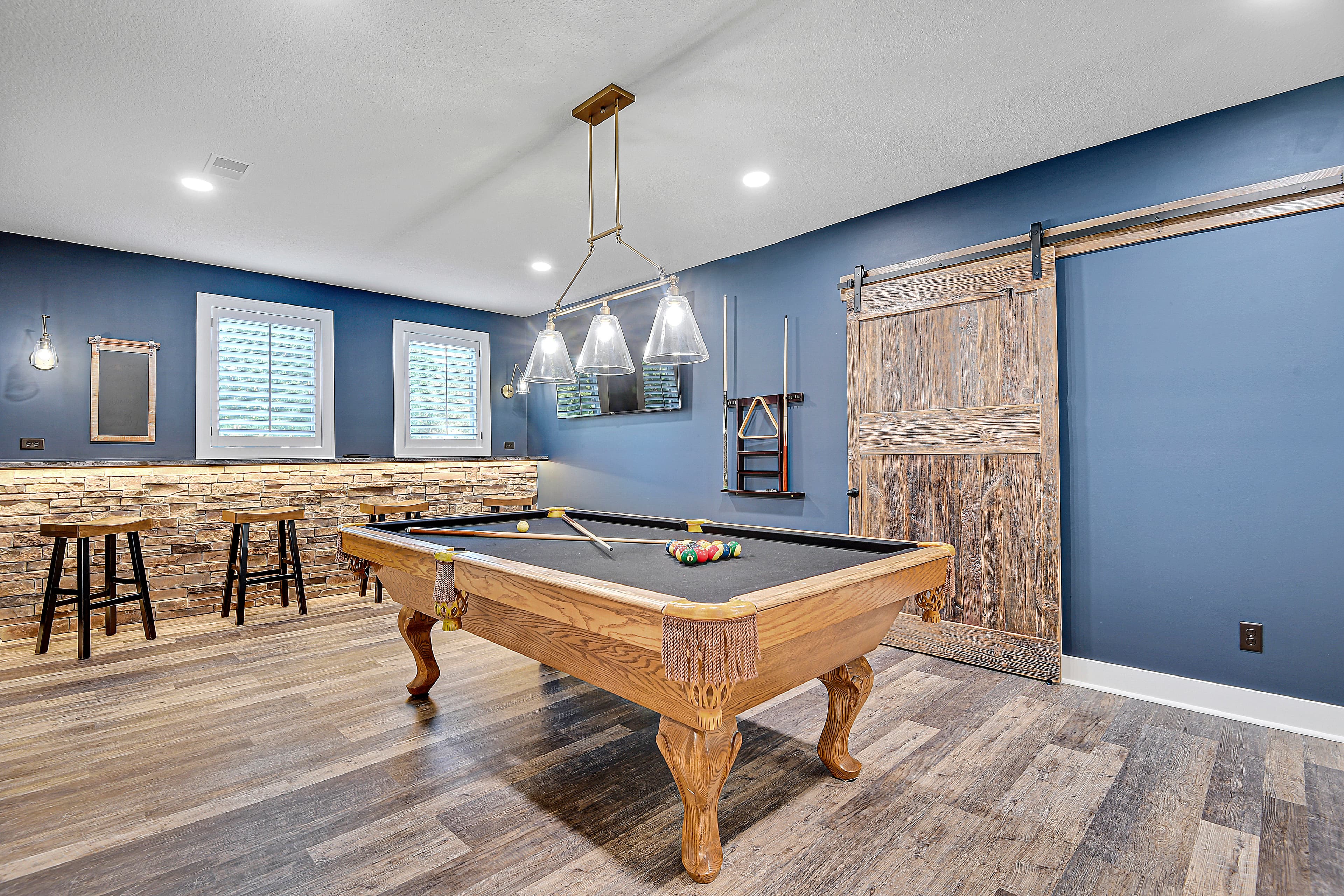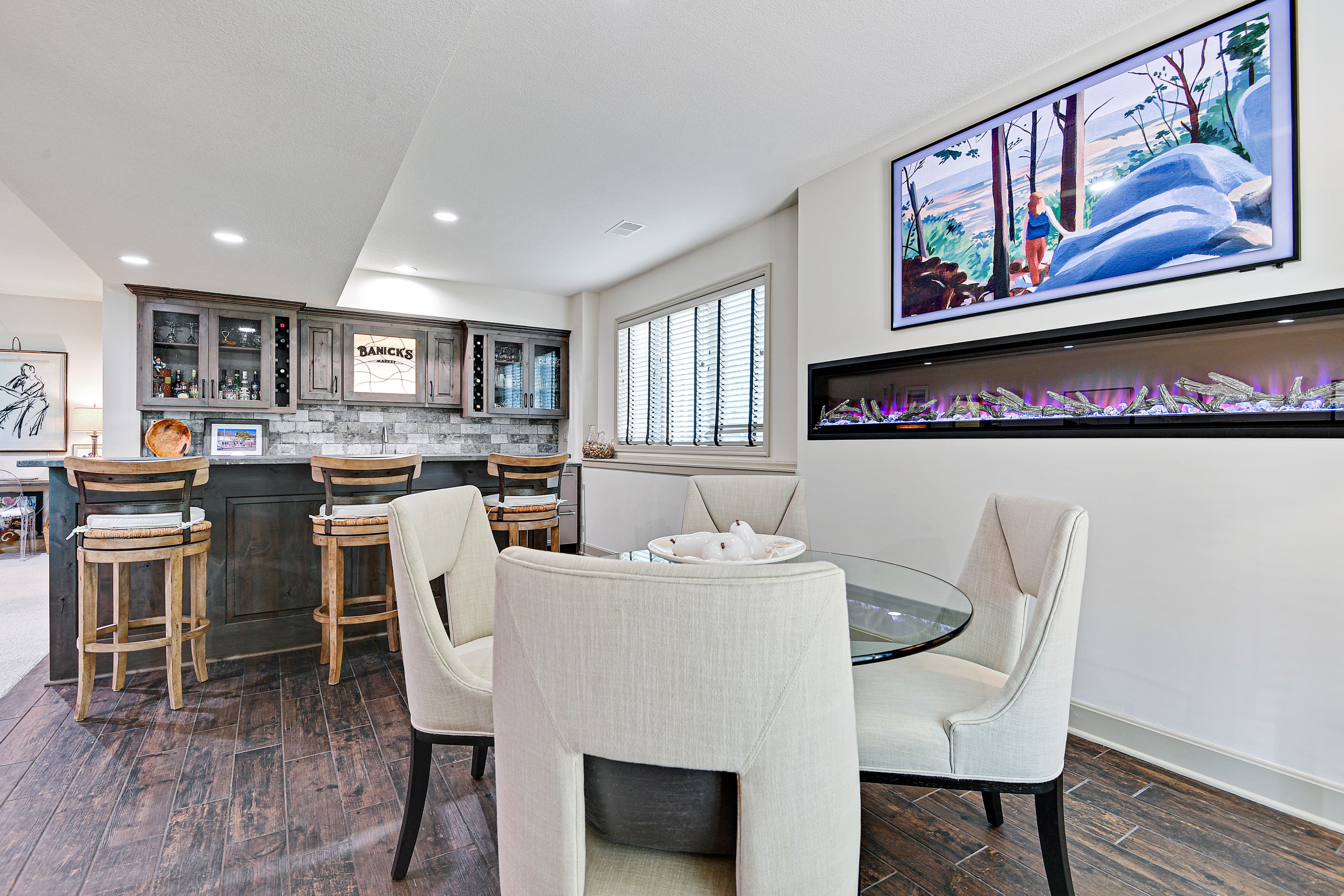
The difference is simple to state: occupied staging restyles the furniture and decor already in a lived-in home, while vacant staging brings furniture, art, rugs, and accessories into an empty one. Which your listing needs mostly comes down to one question — will anyone be living in the house while it's on the market? — but cost, timeline, and the home's price point all shape the right answer. Here's how to decide.
What is occupied home staging?
Occupied staging (sometimes called "owner-occupied staging" or "restyling") is hands-on work with what you own: editing furniture down, correcting traffic flow, restyling surfaces and shelves, making beds photograph like a hotel's, and removing the visual noise of daily life. A stager might recommend a few small rental pieces — a pair of lamps, art, bedding — but the backbone of the presentation is your own furniture.
It's usually the fastest and most affordable hands-on option. Our occupied staging starts at $425 for a half day and $750 for a full day, and most homes are transformed in a single visit scheduled just before listing photos.
Occupied staging is the right call when: you're living in the home until it sells, your furniture is in reasonable shape, and the main problems are arrangement, clutter, and styling rather than missing pieces.
Its limits: a stager can't restyle around deeply worn or badly scaled furniture, and daily life keeps happening — you'll need a plan for keeping rooms show-ready between showings. (Our room-by-room approach to that is in How to Declutter Before Selling.)
What is vacant home staging?
Vacant staging furnishes an empty home for the market: professionally selected furniture, art, rugs, lighting, bedding, and accessories, delivered and installed, then picked up after closing. Packages are typically priced by the home's value and scope, with a one-month rental term included and extensions billed monthly.
At Hummingbird, vacant staging comes in four packages — Essential from $1,650+, Signature from $2,150+, fully custom luxury from $3,000+, and an investor package from $1,500+ — each covering the rooms buyers weight most heavily: living room, kitchen, dining, primary suite, and baths.
Vacant staging is the right call when: the sellers have already moved, the home is new construction or a flip, or an estate is being sold. In all of those cases the alternative isn't "cheaper staging" — it's empty rooms.
Do empty houses really sell slower?
Empty homes carry three quiet penalties. First, empty rooms photograph poorly — no scale, no warmth, no composition — and photos are where buyers decide whether to visit. In NAR's 2025 Profile of Home Staging, roughly a third of buyers' agents said clients were more likely to book a showing after seeing a staged home online. Second, empty rooms read smaller than they are; without furniture, buyers can't judge whether their sectional or king bed fits, so they assume it doesn't. Third, an empty house signals a motivated seller, which invites lower offers. Staging addresses all three at once — 83% of buyers' agents say staging makes it easier for buyers to visualize the home as theirs.
Vacant vs. occupied: cost comparison
| Occupied staging | Vacant staging | |
|---|---|---|
| Typical starting cost | $425–$750 (half/full day) | $1,500–$3,000+ first month |
| Furniture rental | Little to none | Included in package |
| Rental term | N/A | One month, extendable |
| Best for | Sellers living in the home | Empty homes, new builds, flips, estates |
| Biggest advantage | Cost; uses what you own | Complete control of the presentation |
| Biggest limitation | Limited by existing furniture | Ongoing cost if home sits unsold |
(For full pricing detail, see How Much Does Home Staging Cost?)
What if you're moving out mid-listing?
A common in-between case: you list while living there, then move before it sells. If your move date is close to your list date, it's often better to move first and stage vacant — a home that goes from furnished photos to empty showings disappoints buyers who booked based on the pictures. If you'll be in the home for most of the listing period, stage occupied and schedule photos before the move. Uncertain timelines are exactly what a consultation is for; it's a $175 decision-insurance policy.
Which should you choose? A 30-second framework
- Will the home be empty when photos are taken? → Vacant staging.
- Living there with solid furniture? → Occupied staging, timed to photo day.
- Living there with furniture that's worn, oversized, or sparse? → Occupied staging plus selective rentals, or a consultation to triage.
- Flip or investment property? → Investor-scope vacant staging — enough to sell the lifestyle without over-investing. (More on that: Should You Stage a Flip?)
Frequently asked questions
Is it better to sell a house empty or staged?
Staged, in nearly every case. Empty rooms photograph flat, read small, and signal seller motivation. The main exceptions are teardowns and land-value sales.
Can you stage a house you're still living in?
Yes — that's occupied staging. A stager edits and rearranges your existing furnishings, typically in a half-day or full-day session before listing photos.
How long does vacant staging stay in the home?
Standard packages include a one-month rental term from install day, with 30-day extensions as needed.
Is virtual staging a good alternative?
Virtual staging can improve online photos inexpensively, but the illusion ends at the front door: buyers walk into empty rooms that don't match the listing, and some MLS rules require disclosure. It's a supplement for tight budgets, not a substitute.
Hummingbird Staging & Interiors provides occupied and vacant staging across Olathe, Johnson County, and the Kansas City metro. Not sure which your listing needs? Tell us about the property and we'll recommend the right scope.