For most flips, yes — staging pays, but only if you treat it like every other line item: scoped tightly, priced against your carry costs, and pointed at the rooms that move offers. A flip is the purest staging case there is. The house is vacant, the finishes are new, and the buyer is being asked to imagine a life in rooms that have never held one. Empty listing photos undercut months of renovation work in the first five seconds online. Here's the investor's math, minus the fluff.
Why staging hits different on a flip
Three reasons staging matters more for investors than for typical sellers:
1. Every day on market is a hard cost. You're carrying a loan, taxes, insurance, and utilities. In NAR's 2025 Profile of Home Staging, about half of listing agents said staging reduced time on market. For an owner-occupant seller that's convenience; for you it's carry cost off the books. If your all-in holding cost is $150–$250 a day, staging that shaves even two weeks off the sale pays for itself before any offer lift.
2. Empty + freshly renovated reads as "flip" — and invites flip-hunting offers. Staged rooms reframe the same house as a home, which supports your ARV instead of your cost basis. Roughly 29% of agents in the same NAR survey tied staging to offers 1–10% above comparable unstaged homes.
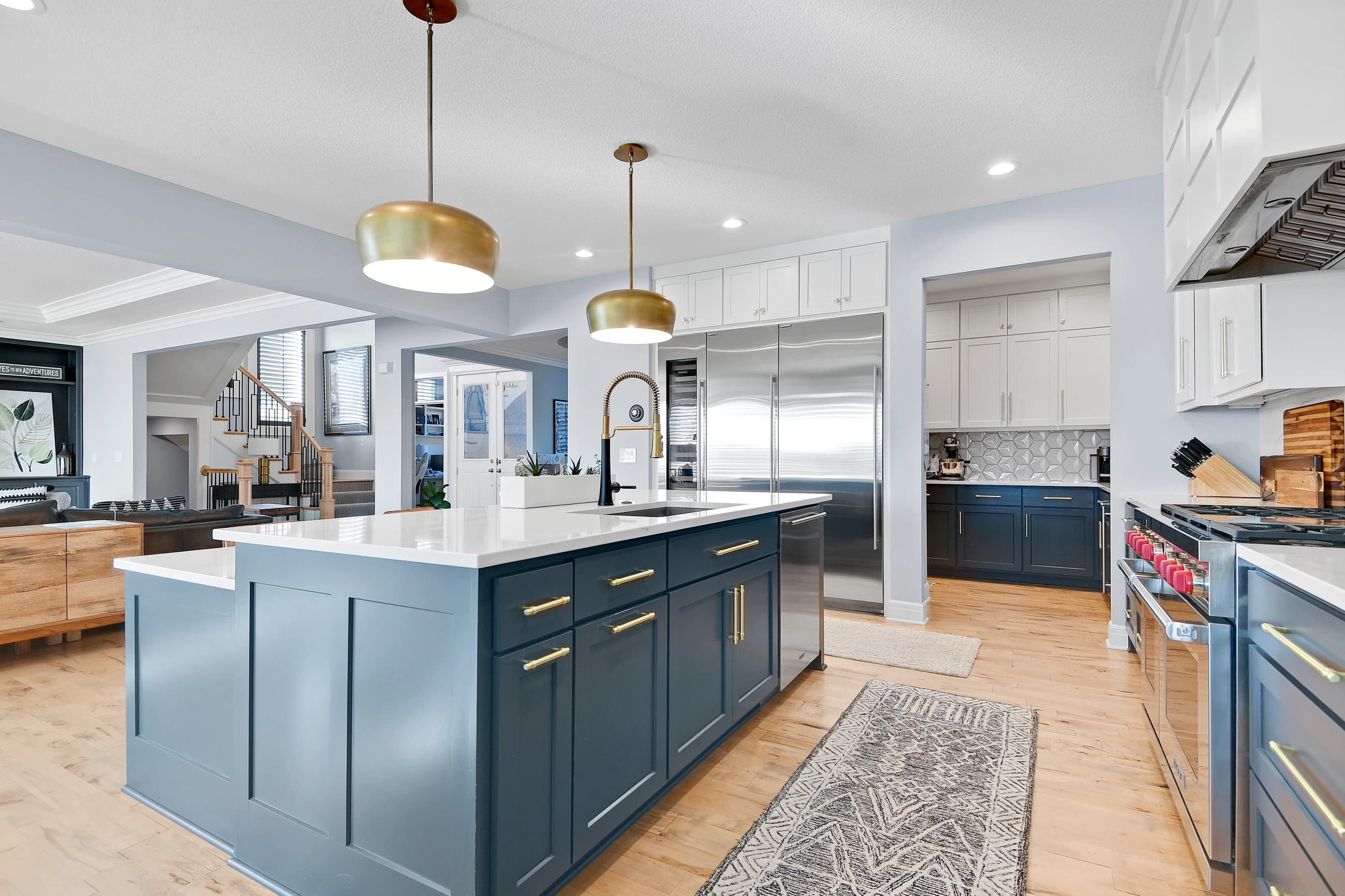
3. Renovation photos need scale. New LVP and fresh paint photograph as an empty box. Furniture gives the camera composition and tells buyers the primary fits a king. Buyers weight the living room, primary bedroom, and kitchen most — exactly the rooms your renovation budget went to.
What does it cost to stage a flip?
Investor staging is its own scope, and it should be priced like one — enough inventory to sell the lifestyle, nothing that pads the invoice. Our investor package, Blue Bird, starts at $1,500+ and covers the five rooms that do the selling:
- Living room — sofa, one to two accent chairs, coffee table, rug, art, and an accessory grouping
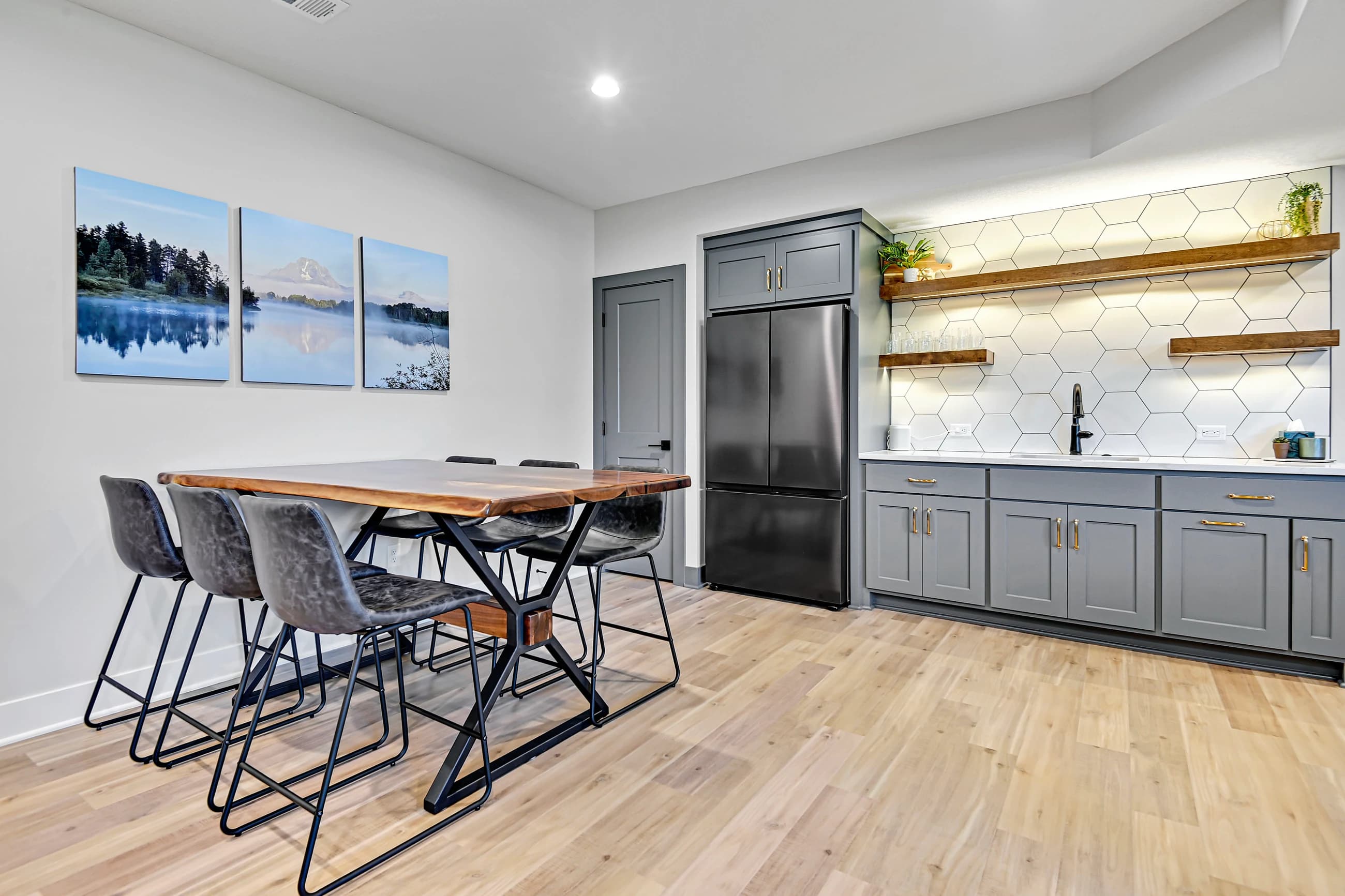
- Dining — table, four chairs, centerpiece, one art piece
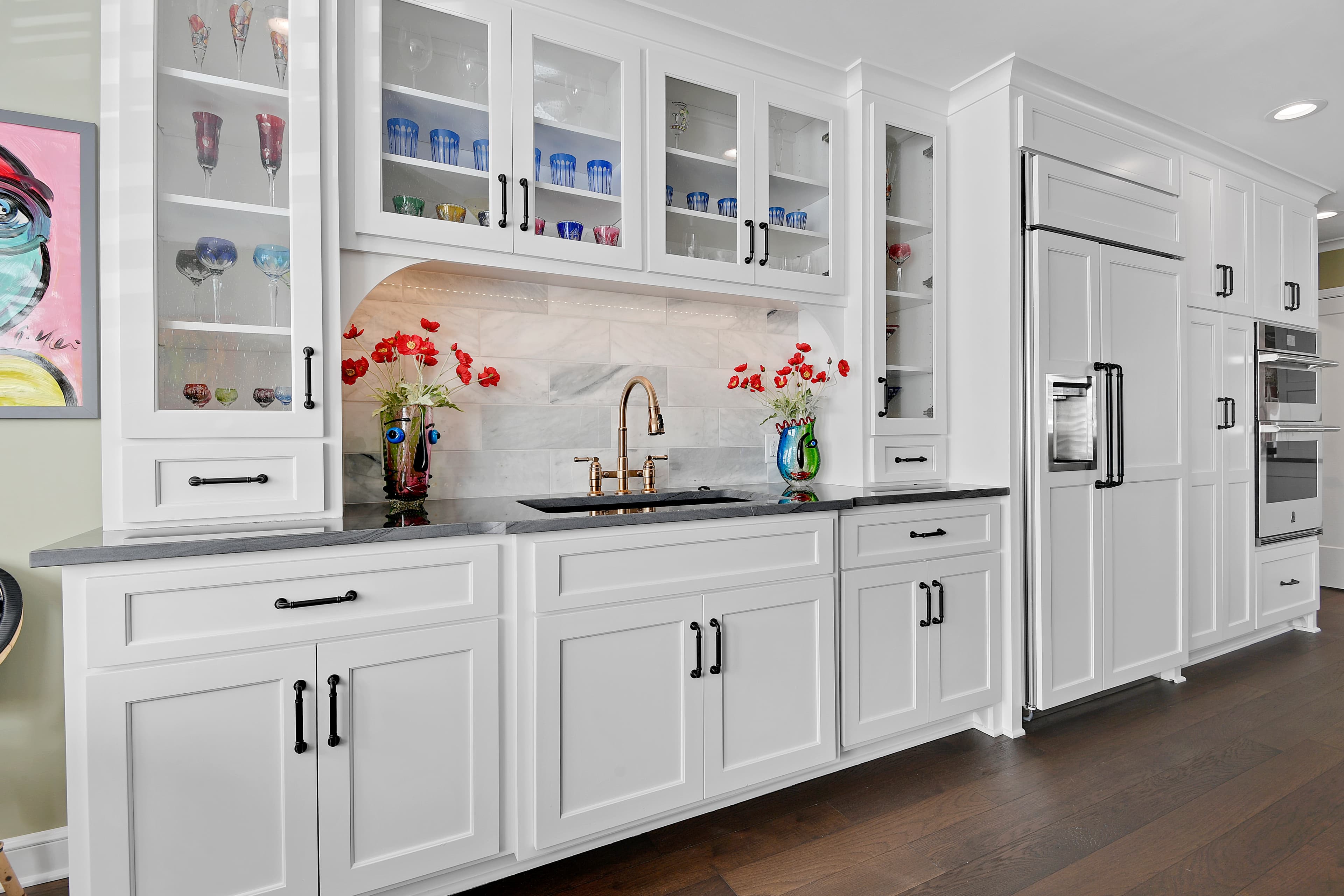
- Kitchen — a handful of accessories, counter stools where the island needs them
- Primary bedroom — headboard, bedding, nightstands with lamps
- One bathroom — towels and accessories
Every package includes a one-month rental term, design direction, staging labor, and delivery and pickup within 10 miles of Olathe. Secondary bedrooms stay empty — buyers forgive an empty guest room; they don't forgive an empty living room. (Full market pricing context: How Much Does Home Staging Cost?)
The monthly-extension math every investor should run
The number to watch isn't the install price — it's the rental term. Standard packages include one month; if the house sits, extensions bill in 30-day increments. So underwrite staging the way you underwrite everything else:
Staging cost ÷ daily carry cost = days of market time staging must save to break even.
If staging runs $1,600 and your carry is $200/day, staging breaks even by saving eight days — before counting any lift in the offer itself. In most sub-$500K metro markets, well-photographed staged listings clear that bar comfortably. The discipline is on the back end: if you're two extensions deep, the problem is price, not pillows.
When should an investor skip staging?
- Wholesale or investor-to-investor exits. Your buyer is underwriting numbers, not lifestyle.
- Sub-rehab or as-is sales priced on potential rather than presentation.
- Extreme seller's markets where comparable flips are going in a weekend sight-unseen — though even then, staging often protects the price side.
- Rentals you're leasing, not selling — a lighter touch or model-unit approach may fit better; worth a conversation rather than a package.
And one non-obvious skip: don't stage to cover a renovation miss. Staging amplifies a finished product; it can't fix a kitchen that needed a better layout. Buyers notice, and so do inspectors.
Getting staging right on a flip: four rules
- Book before the punch list ends. Stagers schedule installs one to two weeks out; call when you're at 90% complete, not after the cleaners leave. If your timeline collapses, rush installs inside 72 hours may carry a rush fee.
- Install before photos, always. Photos are the product. Never list with empty photos "for now" — see why in the listing photo checklist.
- Match staging to the comp set, not your taste. A $350K flip staged like a $900K listing confuses the buyer; a designer-grade flip staged with bare-minimum inventory undersells the renovation. This is where tiered packages earn their keep — compare the full vacant staging lineup.
- Loop in your finish decisions early if you can. The cheapest staging problem to fix is the one designed out before drywall — cohesive finishes photograph better and stage easier. That's the thinking behind our builder and investor finish support, which starts at $1,200 for a focused scope.
Frequently asked questions
Is staging worth it on a house flip?
Usually, yes. Staging is tied to faster sales (about half of agents report reduced time on market) and modest offer lifts — and for investors, faster alone often covers the cost through saved carry.
How much does it cost to stage a flip?
Investor-scope vacant staging typically starts around $1,500 for the core rooms with a one-month rental term, scaling with square footage and price point.
Which rooms should you stage in a flip?
Living room, primary bedroom, kitchen, dining, and one bathroom. Leave secondary bedrooms empty.
Should you stage a rental property?
For sales, yes. For lease-ups, usually a lighter model-unit approach — talk to a stager about scope before assuming a full package.
Hummingbird Staging & Interiors stages flips and investment properties across Olathe, Johnson County, and the Kansas City metro — tell us about your project. Agents and repeat investors: ask about our partner offers.