If you do not want to stage the entire house, start here: stage the rooms that help buyers understand how the home lives. That usually means the living room or great room first, then the primary bedroom, then the kitchen and dining areas, followed by any awkward flex spaces that need a clear purpose.
That order is not just a designer's opinion. The National Association of Realtors' 2025 Profile of Home Staging found that buyers' agents ranked the living room as the most important room to stage, followed by the primary bedroom and the kitchen. The same report found that 83% of buyers' agents said staging helps buyers visualize a property as their future home.
So the real question is not "Should every room be staged?" It is "Which rooms will change the way buyers understand the home online and in person?"
The short answer: stage these rooms first
For most Kansas City area listings, this is the cleanest priority order:
- Living room or great room. This is the emotional center of the home and usually one of the first photos buyers linger on.
- Primary bedroom. Buyers want to see a calm retreat, not just an empty rectangle or a room filled with leftover furniture.
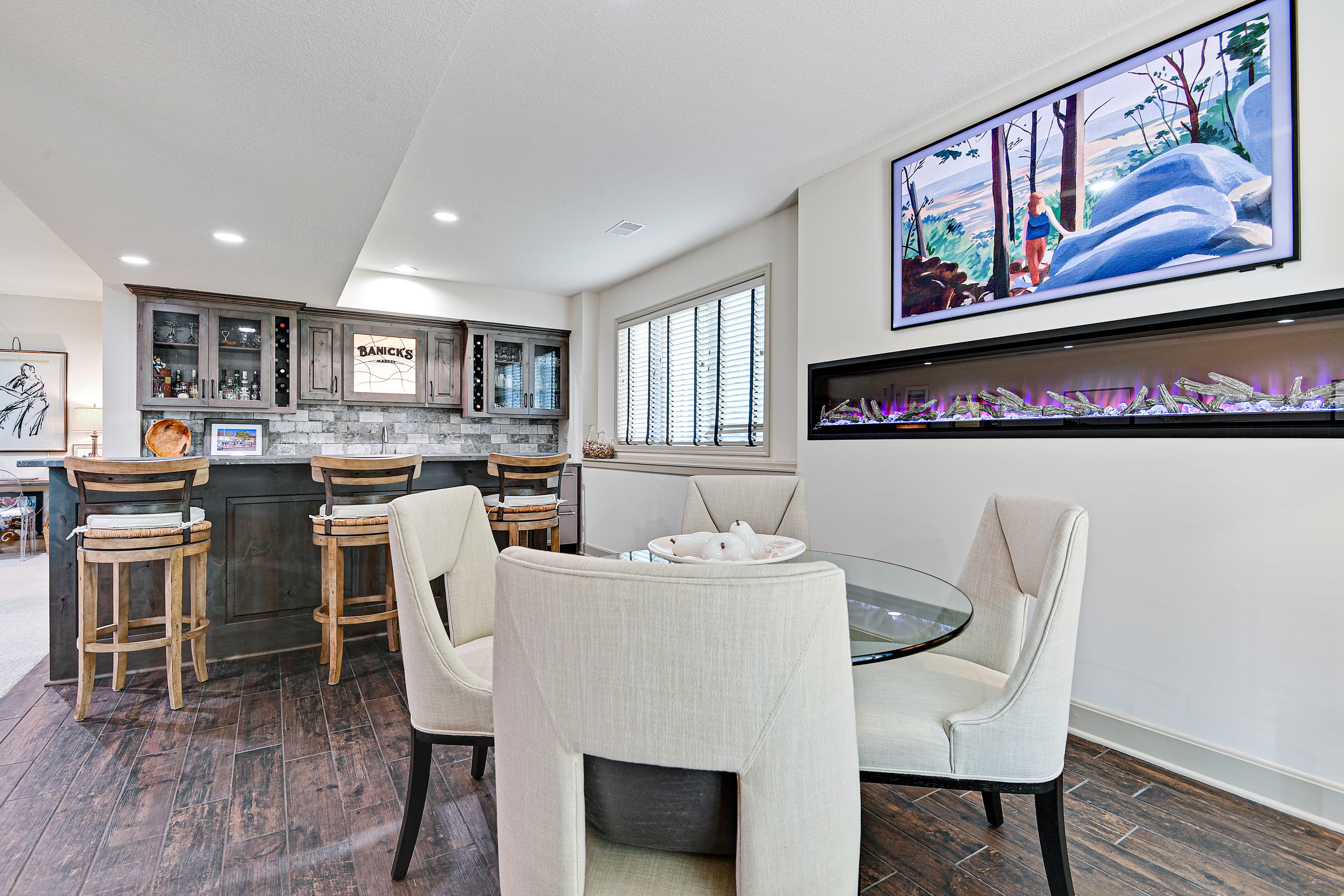
- Kitchen and dining areas. Even when the kitchen is beautiful on its own, styling helps show scale, flow, and how the home entertains.
- Entry and first sightline. The first few steps set the tone for the showing and often determine whether buyers feel pulled in.
- Awkward or flexible spaces. Offices, lofts, lower levels, hearth rooms, and bonus rooms need a job, especially if the floor plan is not obvious.
- Bathrooms and outdoor living. These usually need polish more than full staging, unless they are major selling features.
That is the practical version. Now let's unpack the why, because this is where sellers can spend smarter.
Why the living room usually comes first
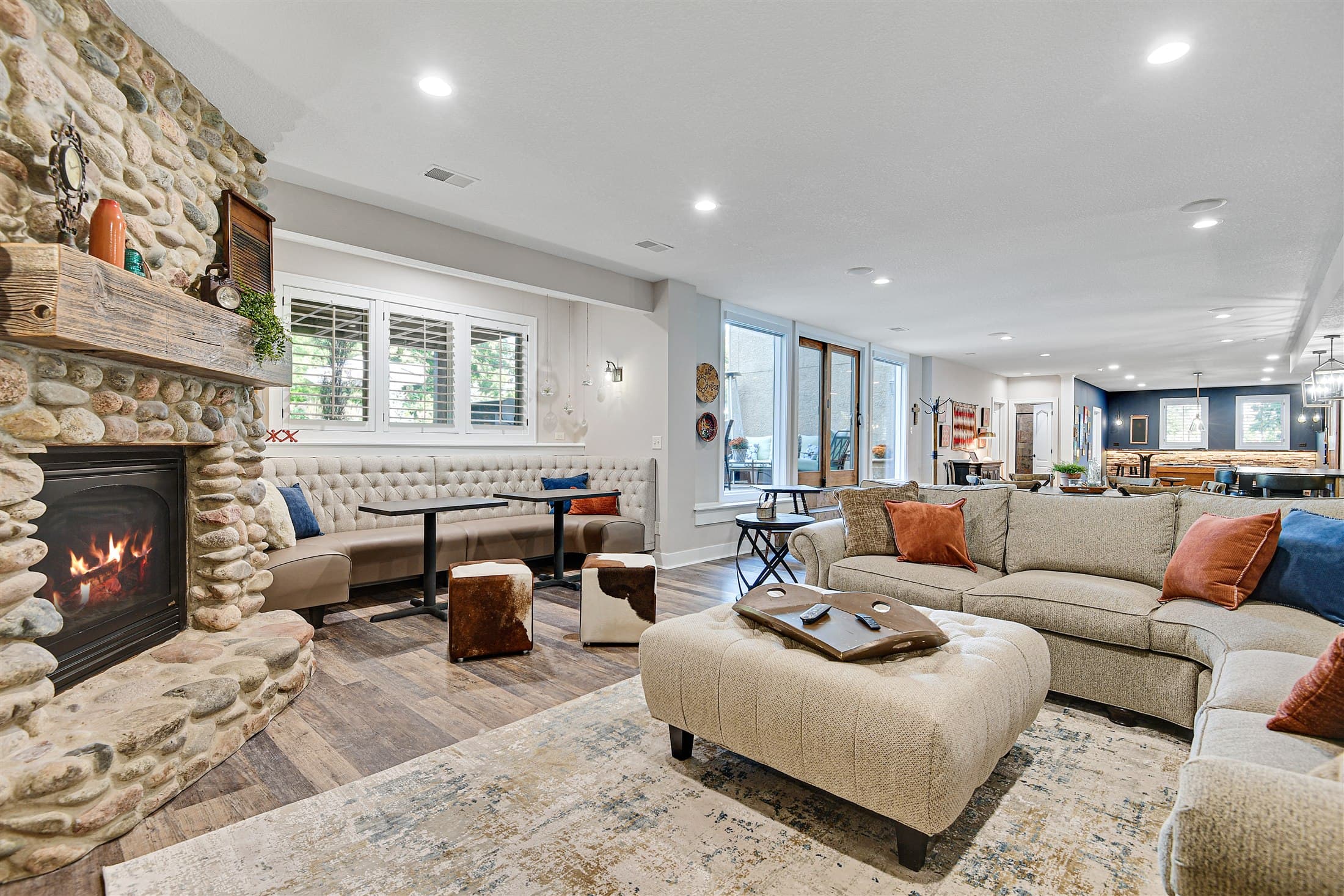
The living room is where buyers imagine the everyday life of the house: relaxing after work, hosting family, watching a game, gathering with friends. It also answers scale questions quickly. Can the room hold a sectional? Where does the TV go? Is there enough walking space? Does the fireplace feel like a feature or an obstacle?
NAR's 2025 report says the living room is the room buyers' agents most often identify as important to stage. It is also the room sellers' agents stage most often, appearing in 91% of staged listings according to NAR's research summary.
If the home is vacant and the budget is tight, stage the main living area before you stage almost anything else. An empty living room can make a strong floor plan feel cold, small, or confusing. A staged living room gives the photographer composition and gives buyers a reason to keep scrolling.
Why the primary bedroom matters more than guest rooms
The primary bedroom is personal. Buyers may be practical about square footage and closet space, but they still want the room to feel restful. That is why the primary bedroom ranks just behind the living room in NAR's buyer-agent data.
For a vacant home, staging the primary bedroom helps buyers understand bed size, nightstand clearance, window placement, and the path into the bath or closet. For an occupied home, the work is often more about editing: simplify the bedding, clear dressers, remove exercise equipment, soften lighting, and create a room that photographs quiet instead of busy.
Secondary bedrooms are different. Unless a room is unusually small, oddly shaped, or important to the home's value, buyers can usually understand an empty guest room. A polished primary suite carries more weight than three thinly staged spare rooms.
Why kitchens need styling, not clutter
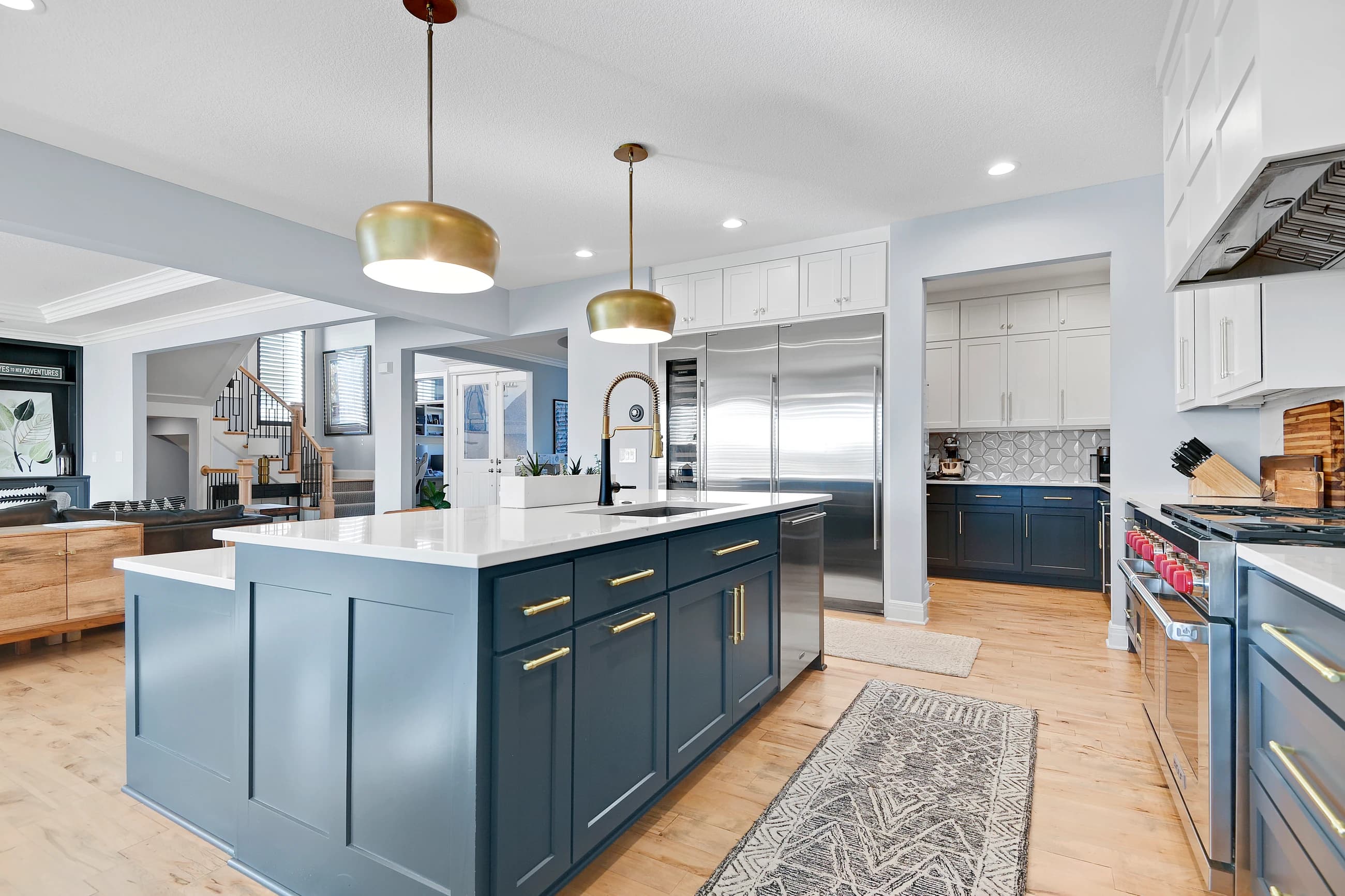
Kitchens do not always need furniture, but they almost always need intention. A kitchen with bare counters can feel sterile; a kitchen with too many appliances, mail piles, and decor can feel cramped. The goal is the middle: clean, warm, useful, and photo-ready.
For listing photos, kitchen styling should make the room feel larger and more functional. Think clear counters, fresh towels, a simple vase or bowl, clean pendants, edited shelves, and a dining setup that shows how people move through the space.
This matters because buyers are studying the listing before they ever schedule a showing. Zillow's 2025 prospective buyer research found that floor plans and high-resolution photos are the two most important listing features for prospective buyers. Staging supports both: it helps rooms photograph well and helps buyers read the layout faster.
The underrated room: the first sightline
Not every house has a formal entry, but every house has a first impression. Sometimes it is the foyer. Sometimes it is the living room. Sometimes the front door opens straight into a staircase, dining room, or long hallway.
That first view matters because it confirms or contradicts the promise of the photos. If buyers loved the listing online, the entry should make them feel like the house is even better in person. If the entry is cramped, dark, or visually busy, buyers start the showing with resistance.
This does not always require a large investment. It may be as simple as a console, mirror, runner, art, greenery, better lighting, or removing a bulky piece that blocks the path.
Flex spaces need a clear answer
Bonus rooms are where staging can create real clarity. A room that could be an office, playroom, gym, guest suite, or media room should not leave buyers guessing. Give the space one strong purpose and make sure that purpose matches the likely buyer.
In Johnson County and the Kansas City metro, this often comes up in:
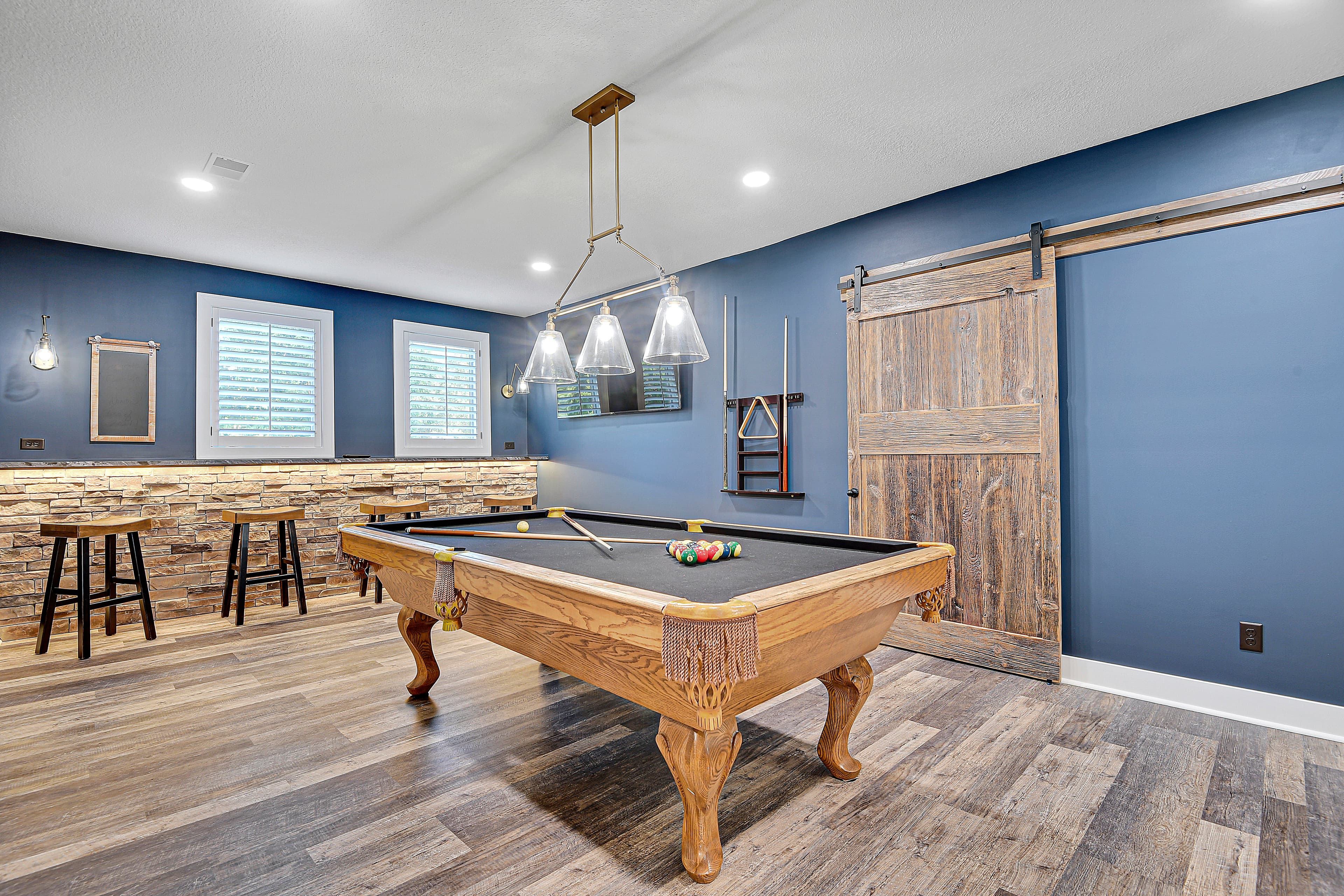
- lower-level lounges and bars
- basement media rooms
- lofts
- front rooms without doors
- extra bedrooms used as storage
- hearth rooms or keeping rooms off the kitchen
A staged flex room can turn "What would we do with this?" into "That would be perfect for work, guests, or game night."
Should you stage bathrooms?
Usually, bathrooms need styling and condition work more than full staging. Buyers care about cleanliness, lighting, grout, mirrors, hardware, and whether the room feels fresh. Towels, soap, simple art, and a small organic accent can help, but they will not overcome dated tile, poor lighting, or visible maintenance issues.
Put money into deep cleaning, caulk, bulbs, mirrors, hardware, and paint before buying extra decorative items. Once the bathroom is clean and bright, a light styling pass is enough.
What rooms can you skip?
You can usually skip:
- standard secondary bedrooms
- storage rooms
- laundry rooms, unless they are a standout feature
- unfinished basements
- garages
- rooms that are already obvious and photograph cleanly
Skipping does not mean ignoring. It means clean, edit, repair, and let the room breathe. A simple, empty guest room is better than a half-staged room with the wrong scale or leftover furniture.
Vacant vs. occupied: does the priority change?
The order stays mostly the same, but the strategy changes.
For vacant homes, use staging to define scale and lifestyle. Prioritize the main living area, primary suite, dining or kitchen-adjacent eating area, and any confusing spaces. You do not need furniture in every bedroom. You do need the most important rooms to feel complete.
For occupied homes, use staging to edit, arrange, and calm the rooms buyers will photograph and remember. The best money may be a consultation, half-day restyle, or photo-prep visit rather than a full rental package. The goal is to make your existing home feel less personal and more market-ready.
We break down the two paths in more detail here: Vacant vs. Occupied Home Staging.
A simple budget framework
If you are deciding how far to go, use this:
If you can stage one room: stage the living room or great room.
If you can stage two rooms: stage the living room and the primary bedroom.
If you can stage three zones: stage the living room, primary bedroom, and kitchen/dining area.
If the home is luxury, new construction, or a flip: add entry styling, lower-level entertaining spaces, office or flex space, and outdoor living when those areas support the price point.
This is why a good staging plan should be tailored. The best scope is not always the biggest scope. It is the scope that makes the listing easier to understand, easier to photograph, and easier for buyers to want.
Frequently asked questions
Do I need to stage every room?
No. Most homes do not need every room fully staged. Stage the rooms that carry the listing: living room, primary bedroom, kitchen/dining, entry, and any spaces that are hard to understand without furniture.
What is the most important room to stage?
The living room or great room. NAR's 2025 staging report found that buyers' agents ranked the living room as the most important room to stage, followed by the primary bedroom and kitchen.
Should I stage an empty kitchen?
Yes, but lightly. Kitchens usually need counter styling, edited shelves, clean surfaces, and a dining moment more than heavy decor. The goal is warmth and scale without making the room feel crowded.
Is it worth staging guest bedrooms?
Sometimes, but they are usually lower priority. Stage a guest bedroom if it is unusually small, oddly shaped, part of a luxury package, or important to the buyer profile. Otherwise, clean and simple is fine.
What if my budget is small?
Spend it where buyers make the biggest decisions: living room first, then primary bedroom, then kitchen and dining. If the home is occupied, a professional consultation may give you the best return for the least money.
Hummingbird Staging & Interiors helps sellers and agents choose the right staging scope for homes across Olathe, Johnson County, and the Kansas City metro. Need help deciding what to stage first? Start with a consultation.