Your home is listed. You've cleaned for showings, rearranged your schedule, and checked for updates more often than you'd like to admit. But the offers haven't followed.
If your house isn't selling in Kansas City, home staging may help when buyers struggle to understand the layout, see the potential of empty rooms, or look past distracting furnishings. It works best alongside realistic pricing, good photography, and a listing strategy built around actual buyer feedback.
Before spending more money or changing the asking price, review what's happening with your real estate agent. The goal is to identify the barrier, then choose the work that addresses it.
Start with the listing feedback
"The house isn't selling" describes the outcome. It doesn't tell you why.
Ask your agent to review showing activity, recurring feedback, and comparable homes that have recently sold or gone under contract. Use homes similar in location, condition, size, and price range. A quick sale elsewhere in Johnson County doesn't tell you what your specific listing should be doing.
These patterns can help organize the conversation. They are clues to investigate, not automatic diagnoses.
| What you're seeing | What to review with your agent | Where staging may fit |
|---|---|---|
| Few showing requests | Asking price, search exposure, lead photo, and showing availability | Improve how the rooms and layout come across online |
| Showings but no offers | Repeated objections, condition, competing properties, and price | Address presentation concerns that appear in the feedback |
| Buyers say rooms feel small or awkward | Furniture scale, walking paths, and how each room is being used | Demonstrate a workable layout with appropriately sized furnishings |
| Buyers focus on repairs or outdated features | Which issues need repair, disclosure, or a pricing response | Present completed improvements clearly, without covering up defects |
One buyer's preference may be personal. A repeated comment is worth examining. If several visitors cannot picture furniture in the living room, that is a different problem from several visitors questioning the condition of the roof.
When staging can address the problem
Staging gives buyers visual information about how a home can function. A seating arrangement shows where people can gather. A bed establishes scale. A clear furniture layout shows how to reach the windows, fireplace, or adjoining room.
In the National Association of REALTORS' 2025 Profile of Home Staging, 83% of buyers' agents said staging helped buyers picture a property as a future home. That's a national survey of agent observations, not proof that staging will sell a particular house or produce a specific offer.
For a home that's already on the market, look for concrete presentation issues.
Empty rooms leave the layout unexplained
An empty room may be clean and freshly painted while still raising questions. Where does the sofa go? Can a dining table fit? Is the space beside the kitchen a second living area or just a walkway?
An appropriately scaled furniture arrangement can answer those questions. Vacant home staging brings furnishings and styling into an empty property so buyers can see a practical use for the space.
The furniture competes with the room
A large sectional, several occasional tables, or a desk beside the dining table might work for your household. In a showing, that same arrangement can make it harder to see the room's proportions and pathways.
For an occupied home, the first step may be removing a few pieces and rearranging what remains. It does not automatically require replacing all your furniture.
A valuable space has no clear purpose
A finished basement, front sitting room, or loft can become a catchall while you live in a home. When you sell, buyers need help understanding what that extra space offers.
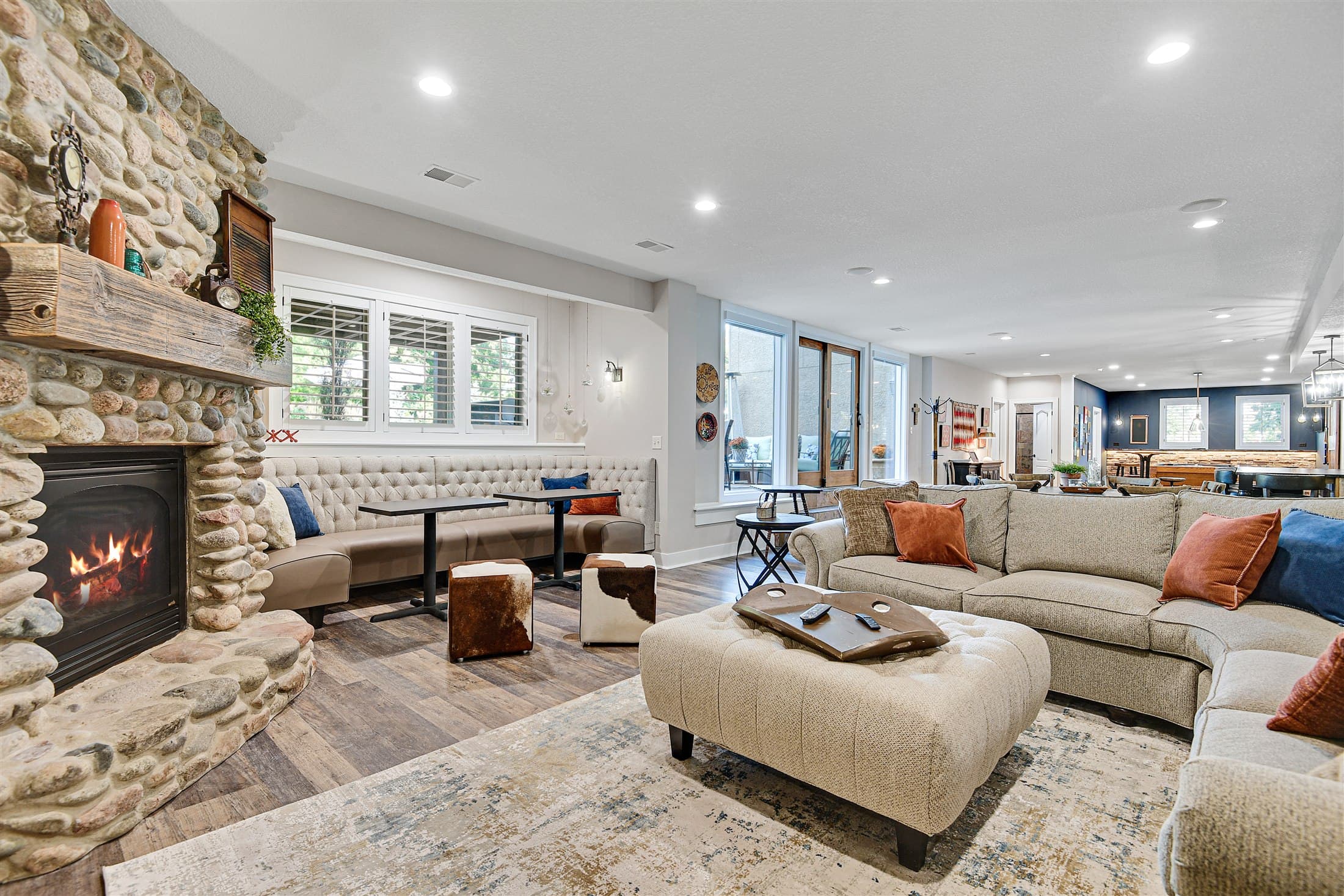
Consider a lower-level room holding a treadmill, spare dining chairs, and moving boxes. Giving it one clear use, such as a comfortable second living area, can make the layout easier to evaluate. This is a presentation example, not a reason to misrepresent a room's legal use or conceal its limitations.
The listing photos no longer reflect the home
If you've painted, removed furniture, moved out, or made other visible changes since the photos were taken, review the listing images with your agent. Decide whether they still show the property accurately and at its best.
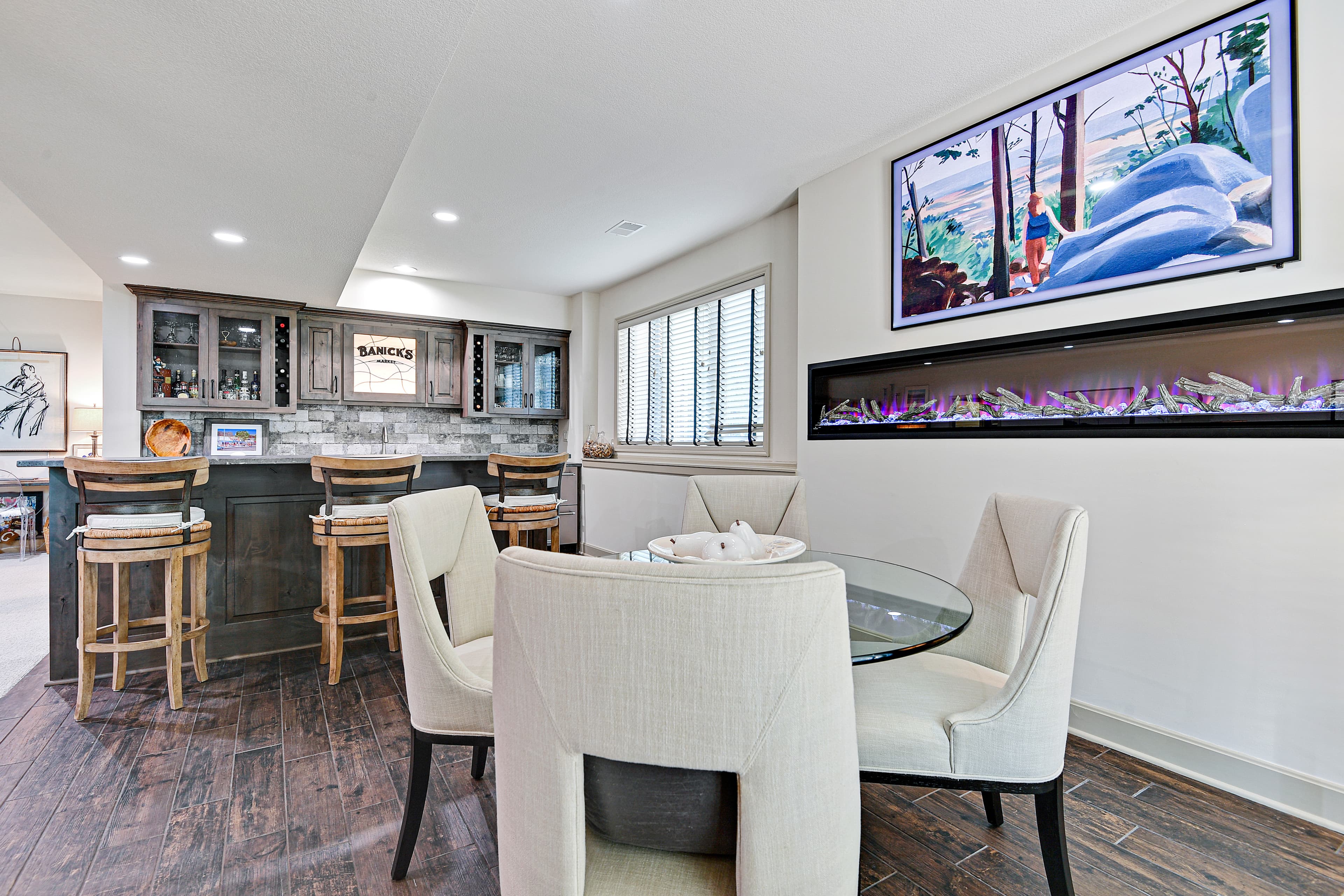
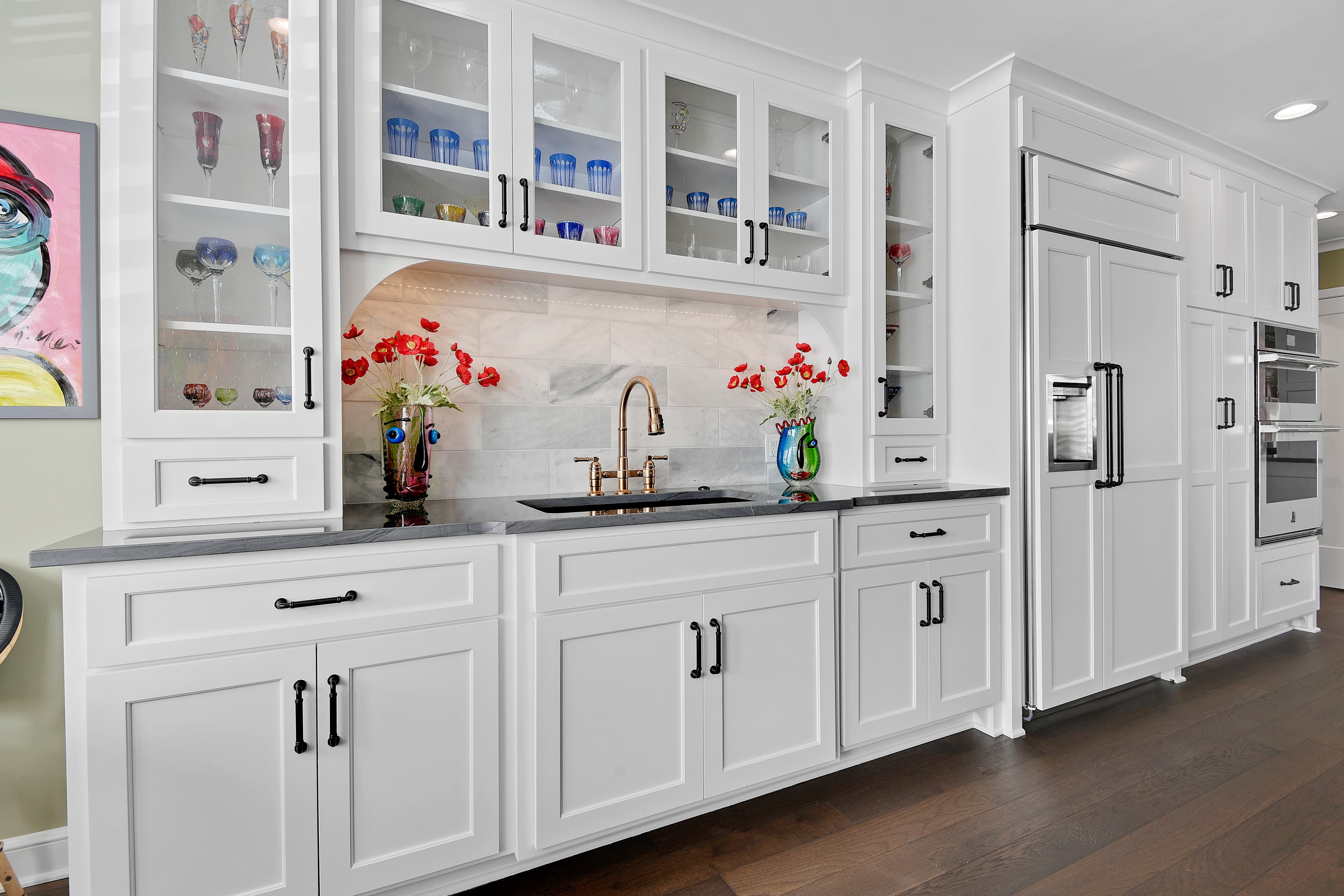
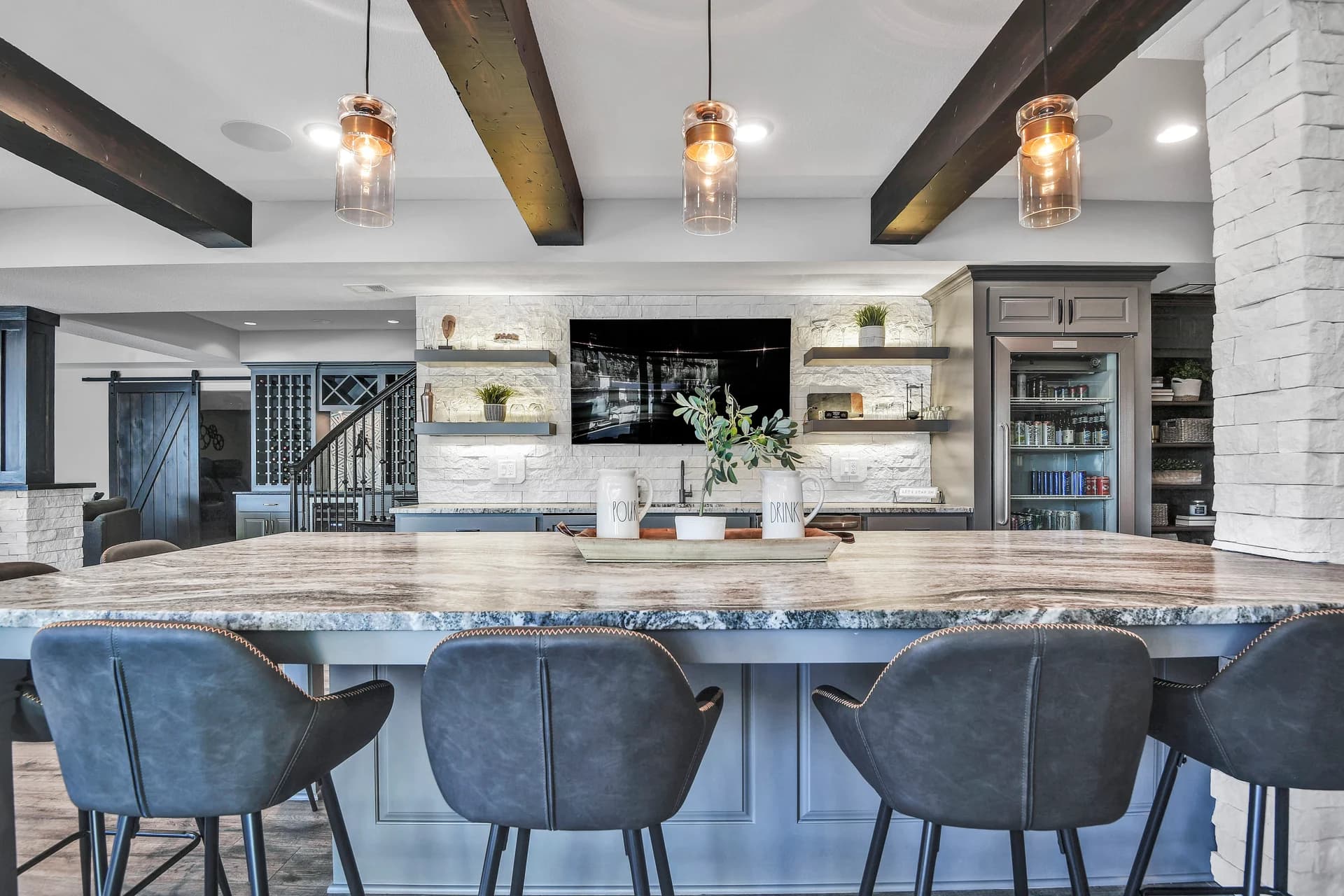
For examples of room arrangements and styling, browse Hummingbird's portfolio. Look at the placement and proportions of the furnishings, not just the accessories.
Can you stage a house after it's already listed?
Yes. You can improve a home's presentation while it is on the market. Coordinate the work with your agent so the updated rooms, photography, and listing materials tell the same story.
A practical sequence is:
- Review the feedback. Identify the rooms or details that may be getting in the way, alongside any pricing or condition concerns.
- Choose the scope. Decide whether you need guidance, occupied styling, or furnishings for a vacant property.
- Finish the preparation. Complete agreed cleaning, repairs, paint, and decluttering before staging or photography.
- Photograph the changes. Update the images that no longer represent the home's presentation. Review the lead image and photo order as well.
- Update the listing materials. Have your agent refresh the relevant marketing and explain any meaningful changes to interested buyers.
Installing furniture while keeping outdated empty-room photos online leaves potential buyers without the information you've just added. Plan the photography as part of the work, rather than as an afterthought.
Use our real estate photo preparation checklist to get the rooms ready before the photographer arrives. Your agent should handle any listing-status decisions; a presentation refresh does not automatically reset the listing's market history.
Do you need full staging or a smaller refresh?
Choose the service around the problem you're trying to solve.
If you're living in the home and the furnishings are usable, occupied home staging may be the right fit. Hummingbird works with existing pieces whenever possible, adjusting layouts and styling the rooms that need attention. Optional rentals are quoted separately.
If the property is empty, a vacant staging proposal can focus on the rooms that need furniture to communicate scale and function. You don't have to assume every room needs the same level of work. Our guide to which rooms to stage first explains how to prioritize.
If you can carry out the preparation yourself but aren't sure what to change, start by asking about a consultation. Be clear that the home is already listed and share the current feedback so the recommendations fit your situation.
Should you stage or lower the asking price?
Sometimes the right plan includes both. Your agent should assess the asking price against current comparable properties and buyer response. A stager can evaluate how the home's presentation supports that plan.
If comparable homes show that the asking price is too high, staging is not a reason to postpone a necessary adjustment. If the price is supported but buyers repeatedly struggle with the layout or presentation, focused staging may be worth discussing. Repairs and access problems deserve their own attention as well.
Compare an actual staging proposal with your alternatives. Account for the preparation work, updated photography, rental term, possible extensions, and your timeline. A price reduction and a staging invoice are different things: reducing an asking price does not establish the final sale price, and paying for staging does not guarantee an offer.
Our Kansas City home staging cost guide explains the available service levels. Use it to prepare for a quote, then decide with your agent what spending makes sense for your property.
Questions about staging an active listing
Will staging guarantee that my home sells?
No. Staging addresses presentation. Price, condition, location, buyer demand, and the rest of the listing strategy still matter. Be cautious of anyone promising a specific sale price or a set number of days on the market.
Can I keep living in the home while it is staged?
Yes. Occupied staging is designed around a home that is still in use. Discuss daily routines and agree on layouts you can maintain between showings. If rental pieces are part of the plan, confirm their care and use requirements.
How long does a house need to sit before I call a stager?
There is no universal waiting period. Ask your agent how your listing compares with similar homes and bring up repeated presentation concerns when they appear. You don't need to wait for a particular day count to ask what could be improved.
Give your listing a clear next step
If your home is already listed in Olathe, Overland Park, or elsewhere in Johnson County and the Kansas City metro, Hummingbird can help you evaluate its presentation and choose an appropriate staging scope.
Share the listing link, whether the property is occupied, your timeline, and any recurring showing feedback. Kristen can recommend the next step based on the home and the work needed. Consultations start at $175; hands-on staging is a separate service.
Request a staging consultation to discuss your property and the changes that could make its layout and strongest features easier for buyers to see.