For most listings, yes — home staging is worth it. The best available industry data ties staging to stronger offers and less time on the market, and nearly every buyer's agent agrees it helps buyers picture themselves living in the home. But "most listings" isn't "every listing," and a good stager will tell you when a lighter touch — or no staging at all — is the smarter call. Here's what the numbers actually show, and how to apply them to your home.
What do the statistics say about home staging?
The most-cited source is the National Association of Realtors' 2025 Profile of Home Staging, a survey of roughly 1,200 real estate professionals. A few findings stand out:
- 83% of buyers' agents said staging made it easier for buyers to visualize the property as their future home. That's the core mechanism of staging, and it has held steady near 80% across every NAR report since 2017.
- About 29% of agents reported that staging increased the dollar value offered by 1–10% compared to similar unstaged homes — roughly 19% saw a 1–5% lift and another 10% saw 6–10%.
- Nearly half (49%) of sellers' agents said staging reduced the home's time on market.
- Roughly one in three buyers' agents said clients were more likely to schedule a showing after seeing a staged home online.
Run the offer-lift math on a typical Johnson County price point and the case makes itself: on a $450,000 home, even a conservative 1–3% lift is $4,500–$13,500 — against a staging investment that usually starts under $2,000. (Full pricing breakdown here: How Much Does Home Staging Cost?.)
Why does staging work?
Two reasons, and they compound.
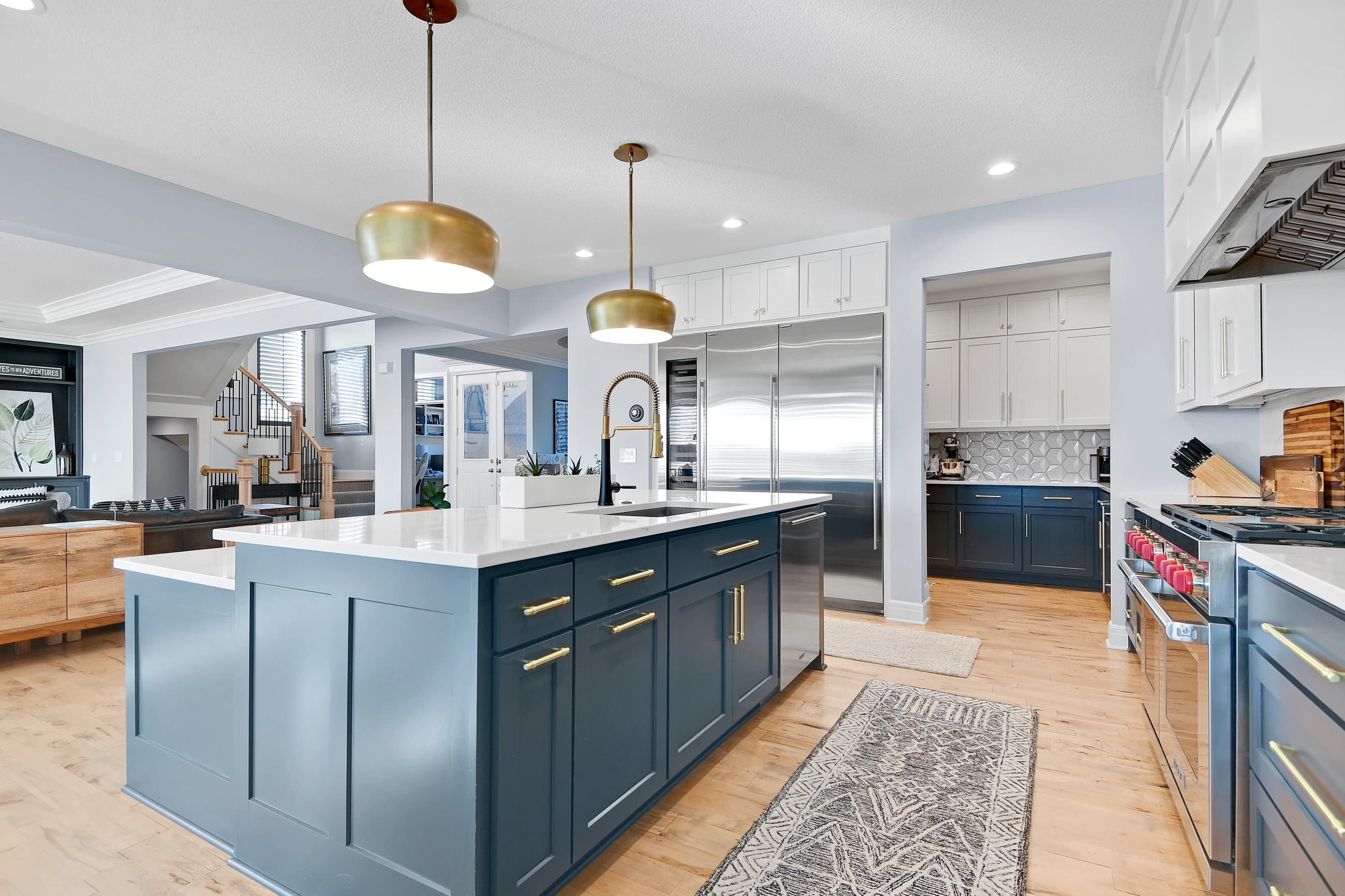
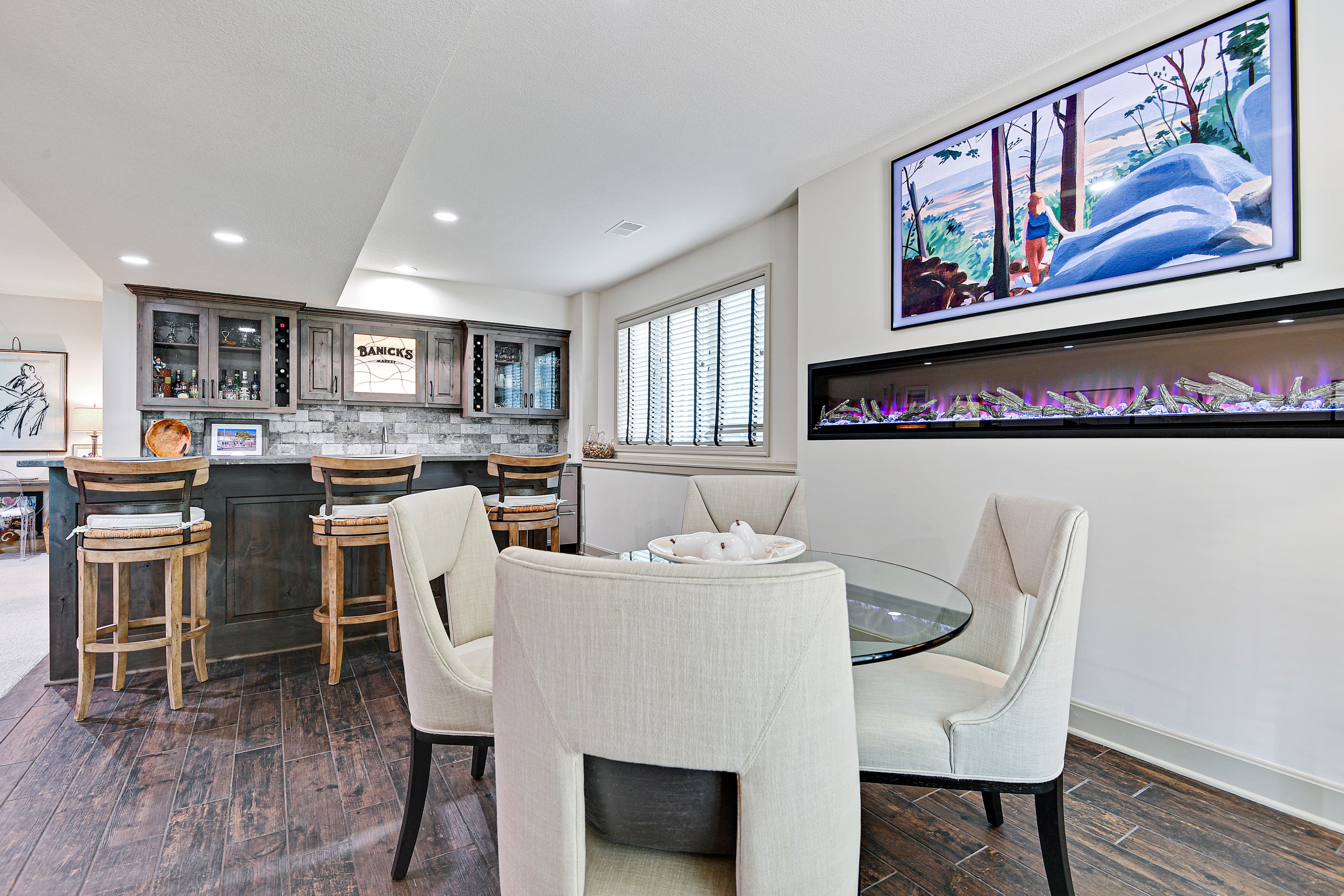
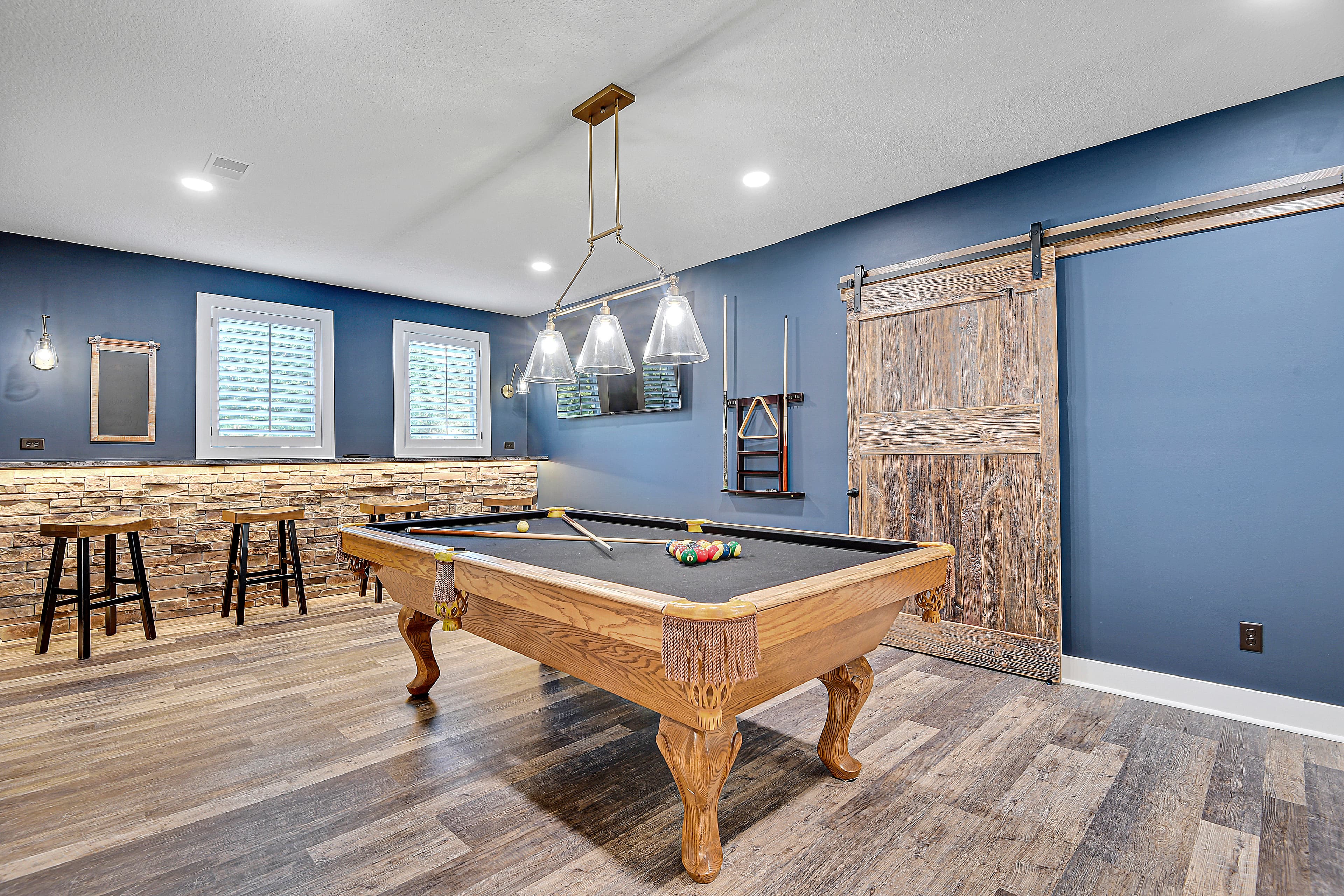
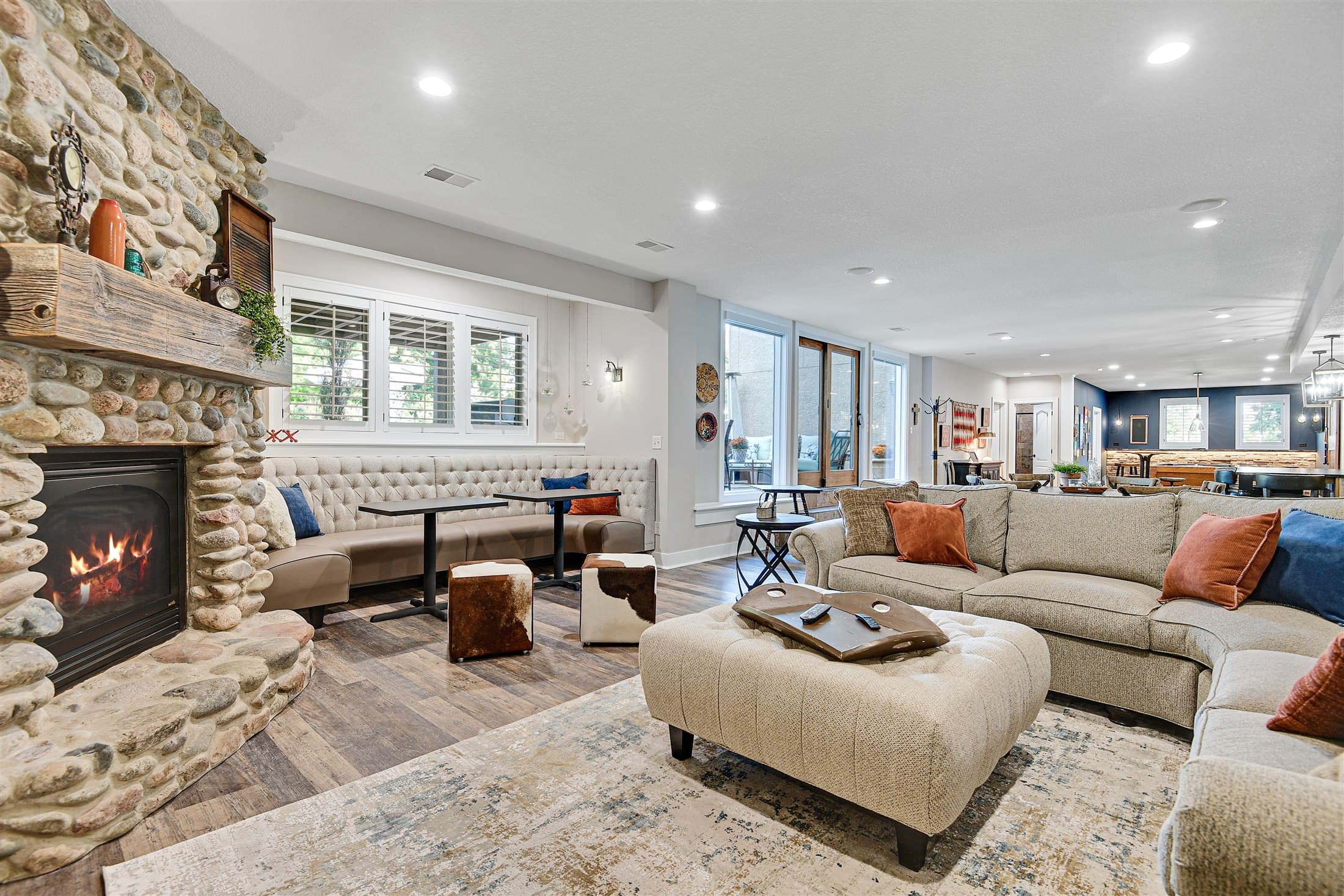
First, buyers shop online before they ever shop in person. Your listing photos are the showing before the showing. An empty or cluttered room photographs flat; a staged room gives the camera composition, scale, and warmth. That's why photo-ready presentation — whether through full staging or a few hours of pre-photo styling — pays off before a single buyer walks in.
Second, buyers struggle to imagine what isn't there. Empty rooms read smaller than they are, and buyers can't tell whether a king bed fits or where the sofa goes. Staging answers those questions before they're asked. NAR's data says buyers care most about the living room, the primary bedroom, and the kitchen — which is exactly why well-designed staging packages concentrate inventory in those rooms rather than spreading thin across the whole house.
There's also a newer factor: buyer expectations have been shaped by television. In the same NAR survey, a majority of agents said buyers are disappointed when homes don't look the way homes look on TV. Fair or not, that's the bar your listing photos are competing against.
When is staging NOT worth it?
An honest answer builds more trust than a sales pitch, so here it is. Staging is a weaker investment when:
- The home will sell on land or location alone — a teardown, a lot sale, or a property priced for its dirt.
- The market is so hot that anything sells in a weekend at ask. Even then, staging often still lifts the offer price, but the days-on-market benefit shrinks.
- The budget would be better spent on a glaring defect. If the roof leaks or every room needs paint, fix that first. A consultation can help you sequence it — our written action plan orders the work: declutter, repairs and paint, styling, then photo prep.
- The home is occupied and already well-furnished. You may only need a professional edit and photo-day styling rather than a full package.
Notice what's on that list and what isn't. "The home is empty and I want to save money" isn't there — vacant homes are precisely where staging earns the most, because empty rooms are the hardest for buyers to read.
Occupied vs. vacant: does the answer change?
Somewhat. Occupied homes can often get 80% of the benefit from a few hundred dollars of professional restyling, because the raw material is already in the house. Vacant homes have no shortcut: the choice is between empty photos and staged photos. We compare the two approaches in depth in Vacant vs. Occupied Staging: Which Does Your Listing Need?
How to make staging worth it
Three rules get you the most return per dollar:
- Stage the rooms buyers weight most — living room, primary bedroom, kitchen — and let secondary bedrooms stay simple.
- Stage before photos, not after. The photos do most of the selling; staging a home that's already been listed with empty photos forfeits the biggest benefit.
- Match the staging level to the price point. A $900K listing staged with builder-grade basics can hurt more than help; a modest flip doesn't need designer inventory. (That's the logic behind tiered packages — see our four vacant packages.)
Frequently asked questions
Do staged homes really sell for more money?
Industry data supports a modest, real lift: in NAR's 2025 survey, about 29% of agents tied staging to offers 1–10% higher than comparable unstaged homes. No credible source promises a guaranteed increase — staging is marketing, not magic — but the direction of the evidence is consistent.
Do staged homes sell faster?
About half of listing agents in the NAR 2025 survey said staging reduced time on market. Faster sales also protect price: listings that linger invite lowball offers and price cuts.
What rooms are most important to stage?
Buyers rank the living room first, then the primary bedroom, then the kitchen, per NAR. Dining rooms and entries follow. Guest and kids' bedrooms matter least.
Is a staging consultation worth it if I can't afford full staging?
Yes — it's the best value in the industry. A $175–$450 consultation converts a professional's eye into a punch list you execute yourself.
Hummingbird Staging & Interiors stages occupied and vacant homes across Olathe, Johnson County, and the Kansas City metro. Wondering what your listing needs? Start with a consultation.